


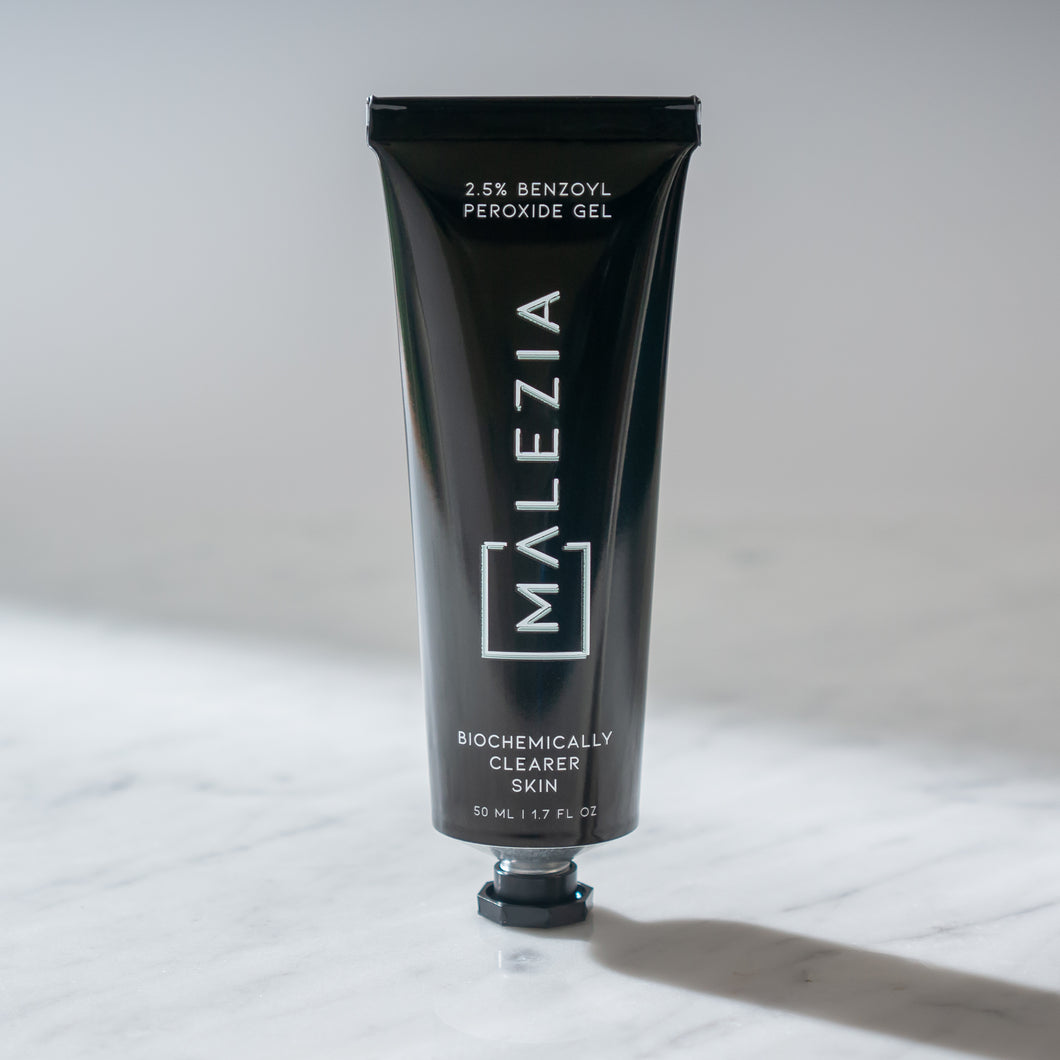
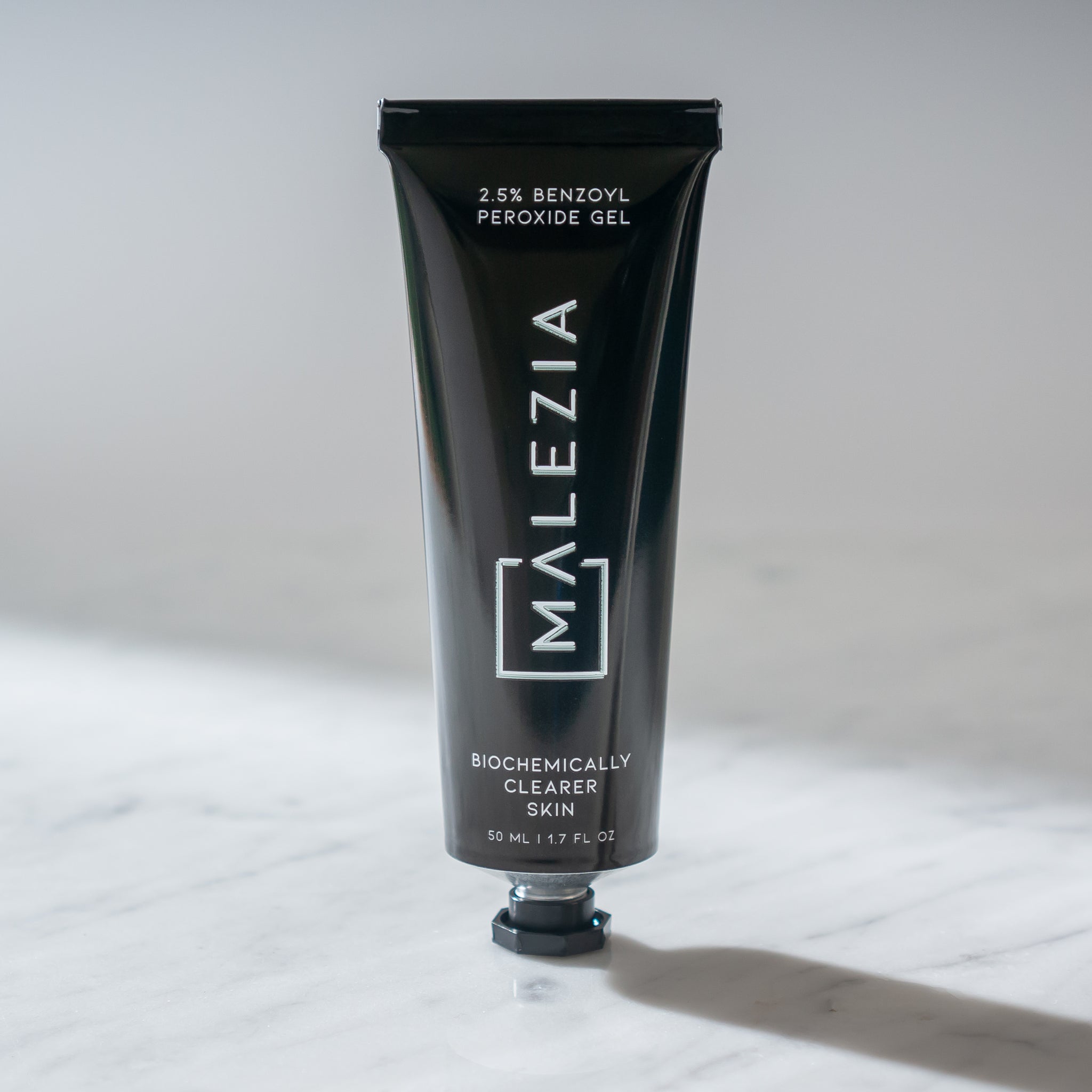
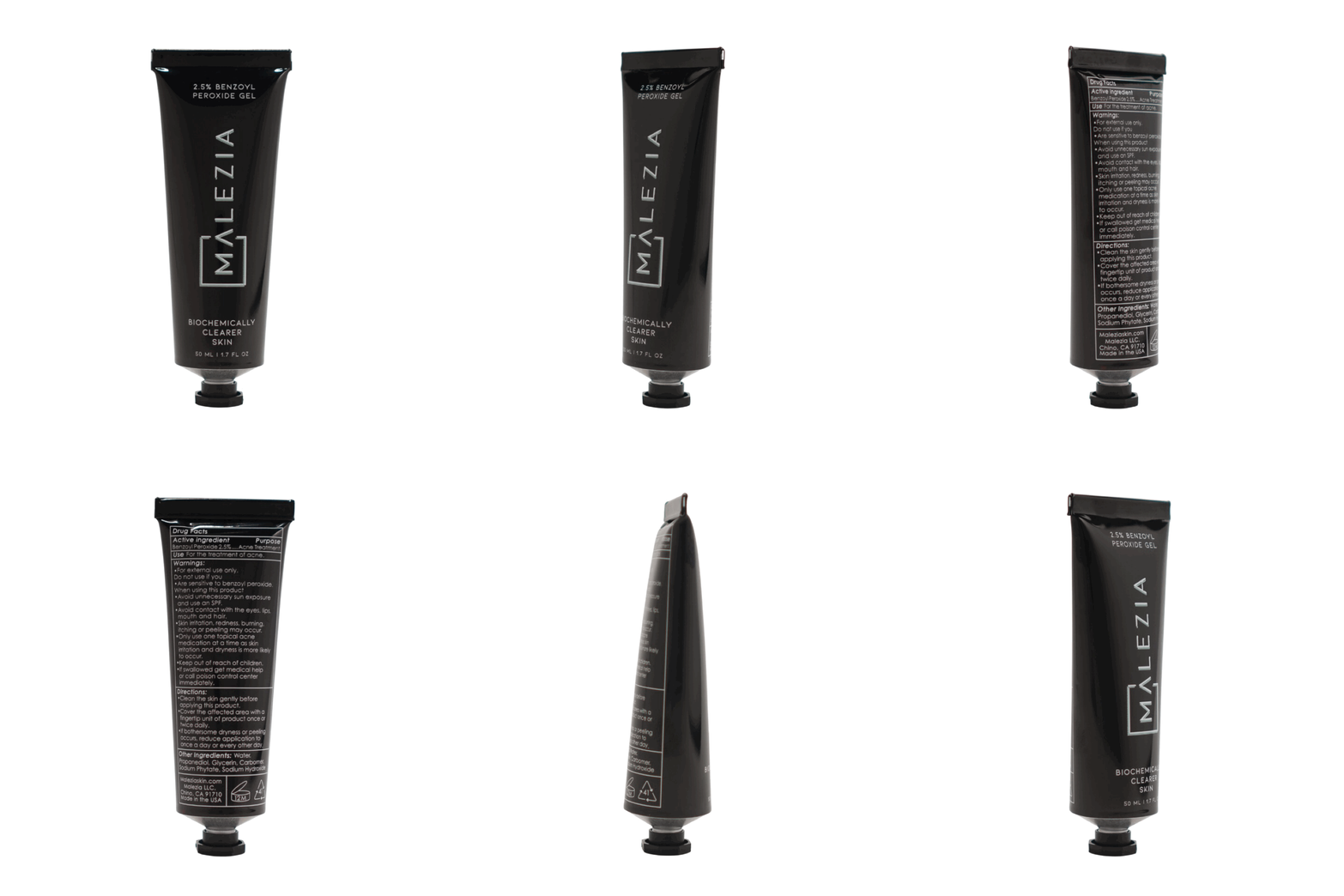
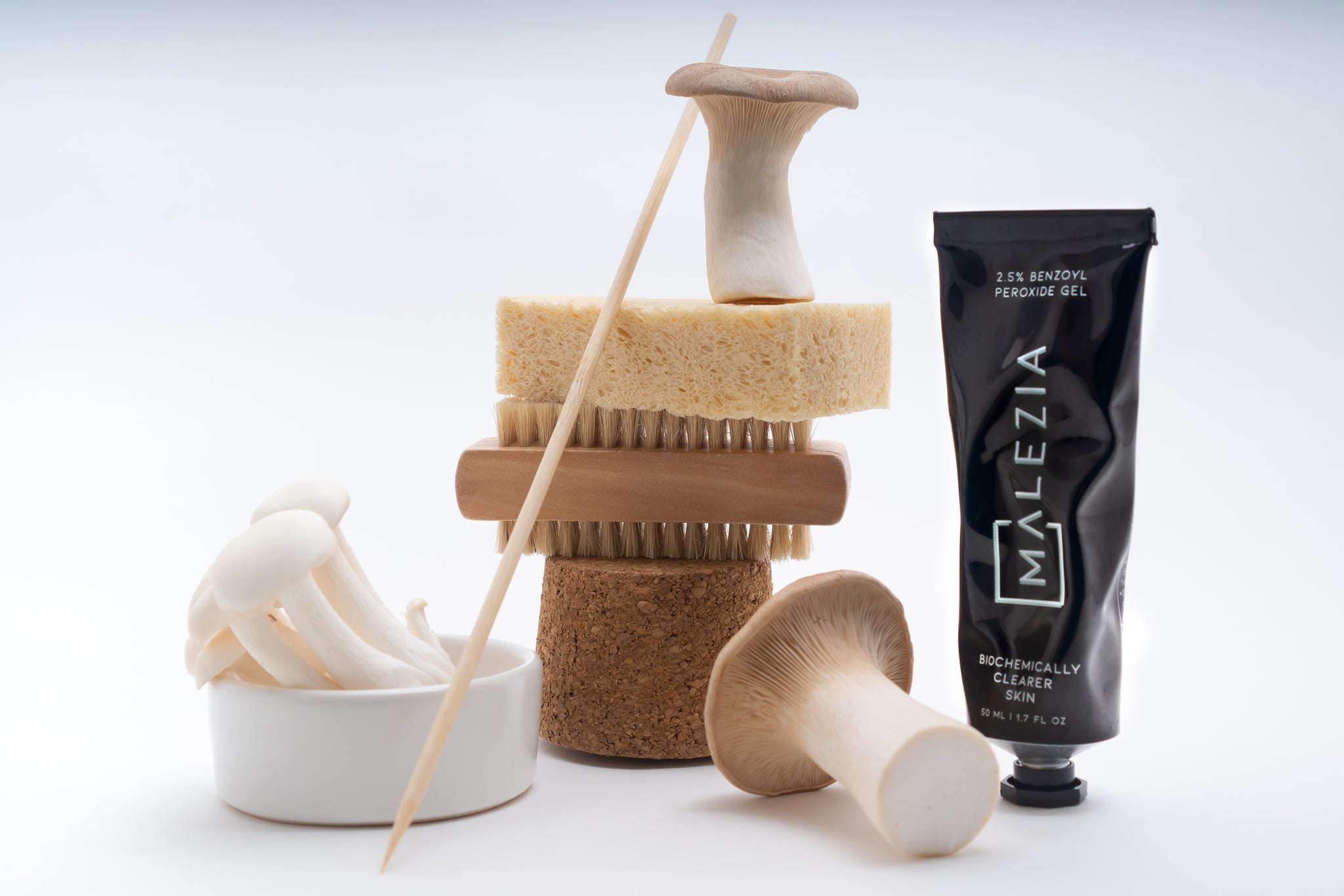
The powerhouse behind Malezia's Core Regimen. Our moisturizer may hydrate the daylights out of skin, but this is what treats acne, eliminates blackheads, and refines texture. 😉
What it treats
Benzoyl peroxide doesn't care what kind of acne you have. Bacterial, fungal ("fungal acne" / Malassezia folliculitis), hormonal cystic, body acne, mixed — BP kills the microbes inside the pore through non-specific oxidative damage. That's why so many of our most loyal customers came to us after nothing else worked for their fungal acne, hormonal cystic acne, body acne etc.
It's also why this single tube is the most versatile acne treatment you can keep in a cabinet.
What to expect — backed by our own clinical study
We ran a survey-based clinical analysis of 535 Malezia customers. The results:
- 52% saw visible improvement within the first 2 weeks
- 89% saw visible improvement by the end of the first month
- 96.8% of users reported achieving their desired skin clarity when following the Core Regimen strictly—using only the Hyaluronic Acid Cleanser, Urea Moisturizer, and Acne Treatment Gel.
Why 2.5% micronized BP (and not 5% or 10%)?
Most over-the-counter BP products top out at 5–10%, but clinical studies have shown 2.5% benzoyl peroxide is just as effective as 10% — with significantly less irritation and dryness.
We then take it a step further by micronizing the BP to 5 microns — smaller than a single bacterial cell. That finer particle size means:
- Deeper penetration into pores where the breakouts actually start
- Better skin tolerance vs classic BP products
- Higher delivery efficiency at lower concentration
This method ensures effective acne management without compromising the skin's natural moisture balance. In fact, clinical studies have even shown that micronized benzoyl peroxide can increase skin moisture levels.
Why benzoyl peroxide and not an antibiotic or antifungal?
BP has been used in dermatology since the early 1900s. In that century-plus, not a single case of microbial resistance has ever been documented. Bacteria and fungi can't develop resistance against oxidative damage — there's no molecular target to mutate around. That's a clean contrast against:
- Prescription antibiotic acne treatments — resistance is a growing global problem
- Prescription antifungal acne treatments — fungal resistance is well documented
You can use BP for years without losing efficacy. That's not true of most other targeted microbial actives.
For more on BP's microbicidal activity and clinical research, see this deep-dive on Simple Skincare Science.
What's in the formula?
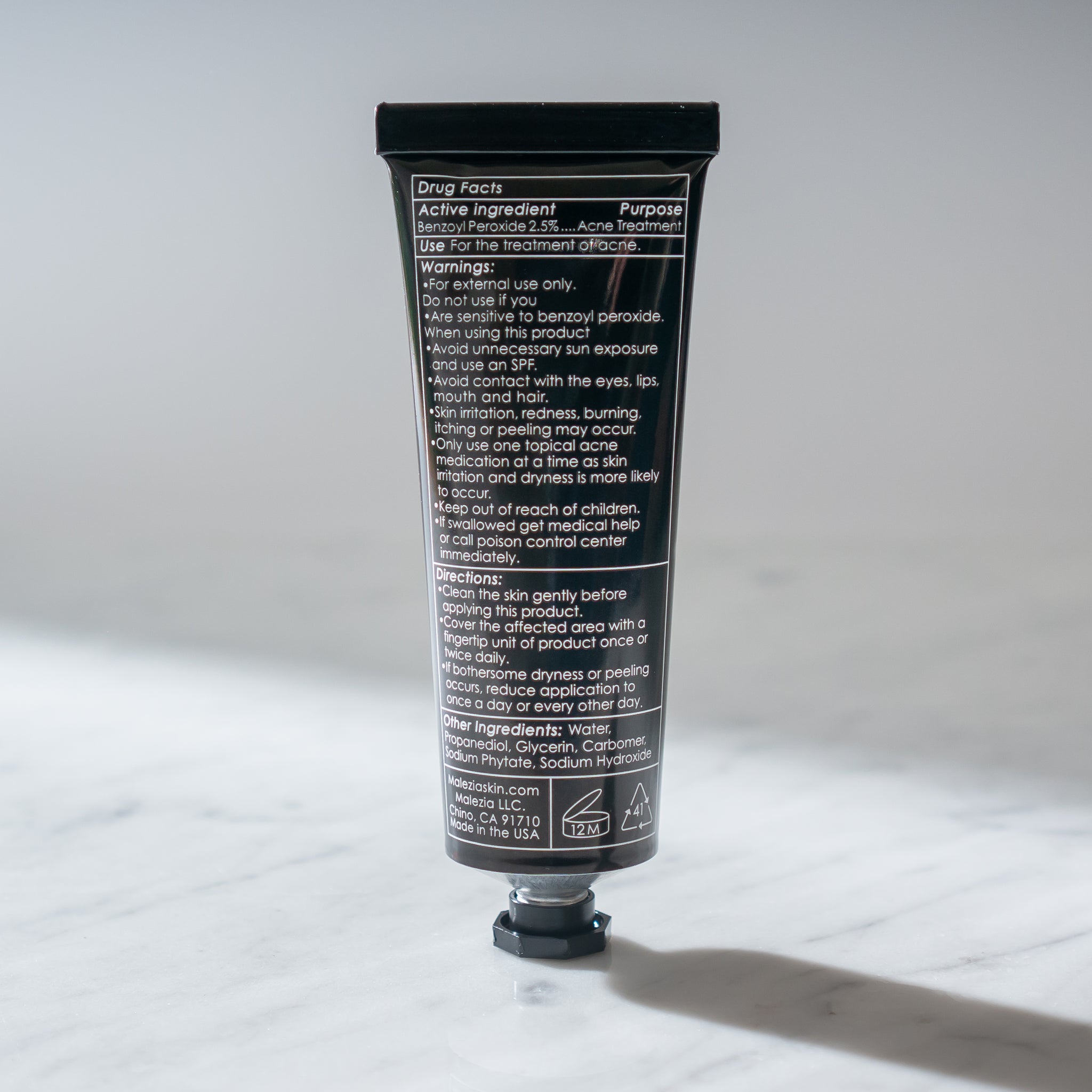
- 2.5% benzoyl peroxide (micronized) — the workhorse, inhibits all major fungal and bacterial microorganisms involved in acne
- 0.5% sodium phytate — boosts skin moisture and elasticity, regulates oil, helps with hyperpigmentation
- Glycerin, propanediol — humectants that buffer the dryness BP can otherwise cause
- Fungal-acne safe (Malassezia-safe). No fatty acids above C12, no esters, no problematic oils, or anything else that feed Malassezia.
Inactive ingredients: Water, Propanediol, Glycerin, Carbomer, Sodium Phytate, Sodium Hydroxide
How to use
- Cleanse with our Hyaluronic Acid Cleanser (or your favorite fungal-acne-safe cleanser).
- Apply our 5% Urea Moisturizer to damp skin.
- Once the moisturizer is fully absorbed, apply a fingertip unit of Acne Treatment Gel over the entire affected area — not just on individual blemishes. BP is preventive, not a spot treatment.
- Use once nightly to start.
Customer Reviews
This gel is the literally perfect! I used it on my back acne everyday. All my acne went away, no irritation or burning like regular benzyl peroxide products have done to me in the past. It doesn’t smell or feel sticky. I recommend anyone to try it!
I had a core regimen for 9 years with another company and I suddenly started to break me out again. I noticed the company quietly changed their ingredients. After long research I found malezia a few months ago and my skin has truly changed. It looks so healthy and smooth! Im sooo happy and glad a brand finally has clean ingredients after such a long search! Best decision ever!
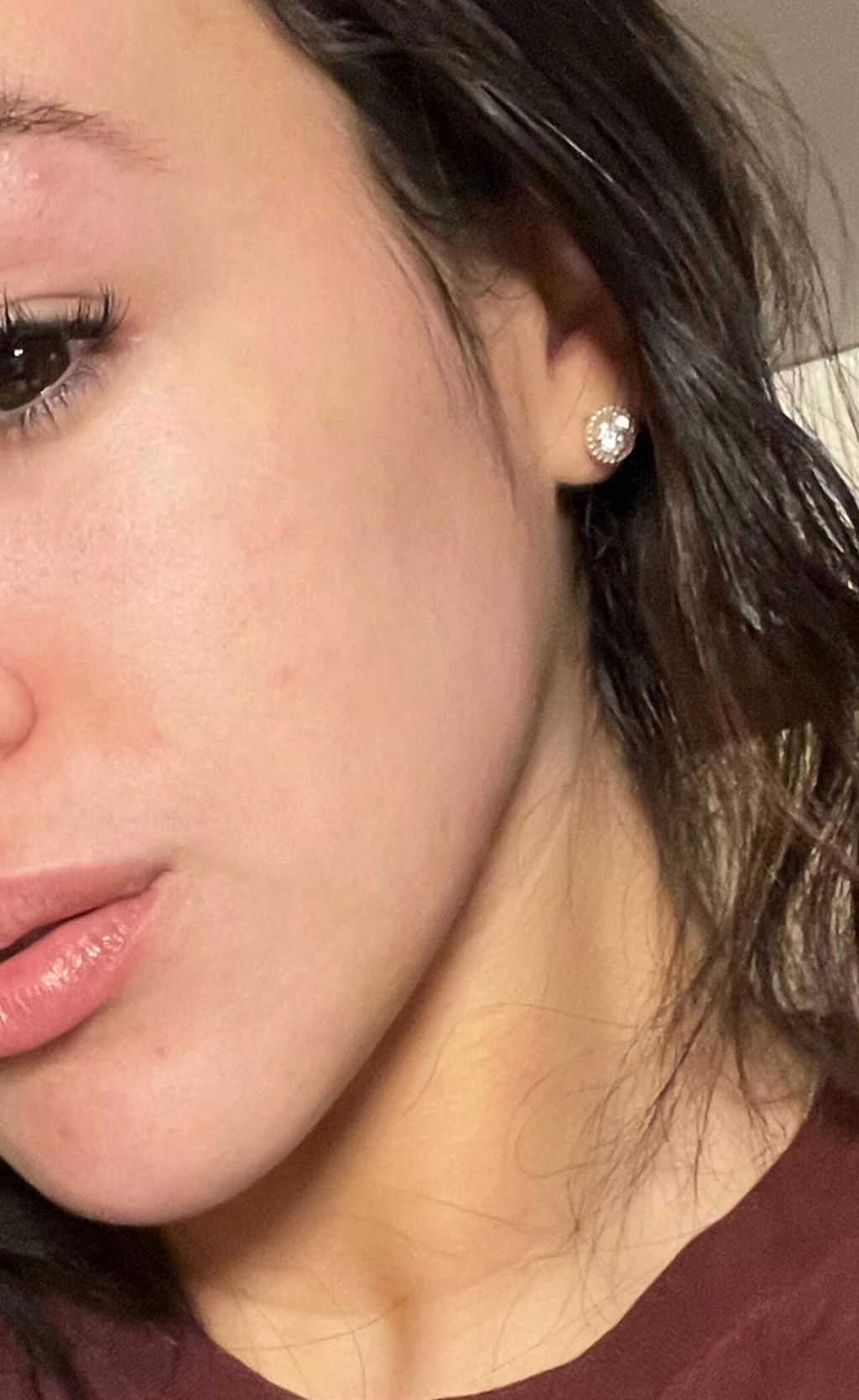
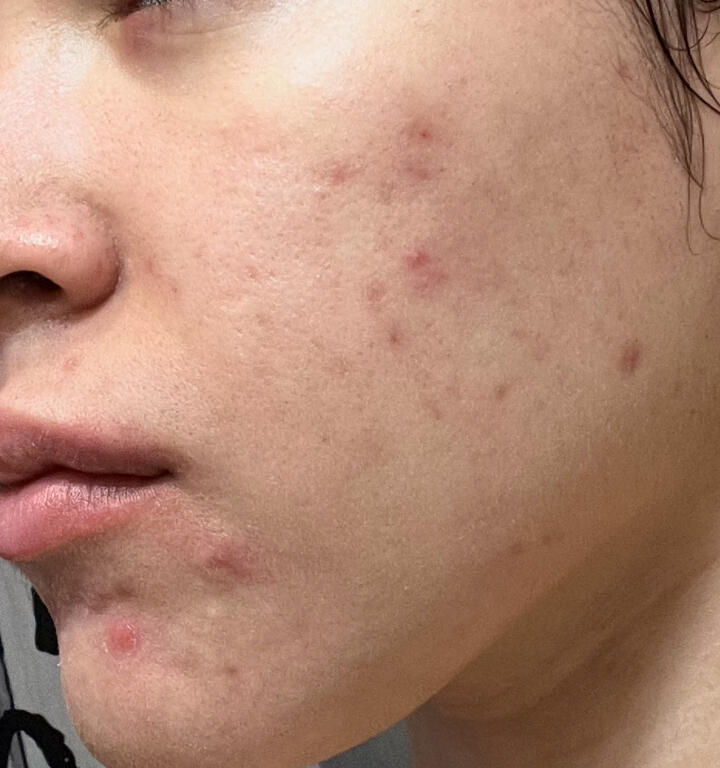
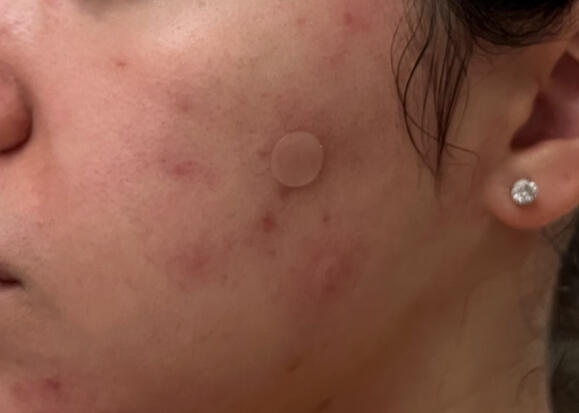
I’ve had a lifetime of adult cystic acne that comes and goes. My skin seems to be developing more allergies to lots of common ingredients found in various skincare. I was in the middle of a bad flare up when I got this. It was an Instagram ad, and I saw that there were very few ingredients overall - just what was needed. I’ve tried absolutely everything else, so I thought…why not this too? Lol. And I’m VERY pleased to say my acne flare-up calmed down and went away completely. I think it’s been about a 4-5 weeks now, and I’ve not had any outbreaks come back.
I’ve purchased products in the past that had a high percentage of benzoyl peroxide, and my hand towels would come out bleached after a wash. Thankfully, that has not been the case with this product. I’m very pleased.
I truly can’t believe that it only took 4-5 days of applying the gel and my stress acne/folliculitis has practically disappeared! I love that the product is in a metal tube instead of more plastics, too.
I found you on a Google search when I asked for cleanest, organic, toxin free benzoyl peroxide products. So glad I did! Thank you for caring about what goes in and into the skin!
I only been using it for a few weeks but I love it so far. I’m definitely repurchasing, the cap on the moisturizer is very delicate tho. It cracked in half so have to make sure not to close it too tight
I have now used the BP cream everyday for 3 years - and it has been life changing! I discovered that I had fungal acne around 2019, and tried every different kind of treatment/cream there was - nothing worked and I had little spots on my whole face. When I found out about Malezia through the blog, I took a gamble and ordered the products (to Sweden) and gave it a go. My skin cleared up so fast, and yes I still get the occasional spot here and there, I also have perioral dermatitis. But this truly is my holy grail now, I will never not use it!
So if you have issues with your skin, like fungal acne or perioral dermatits, please try this and I promise you, it won't disappoint!
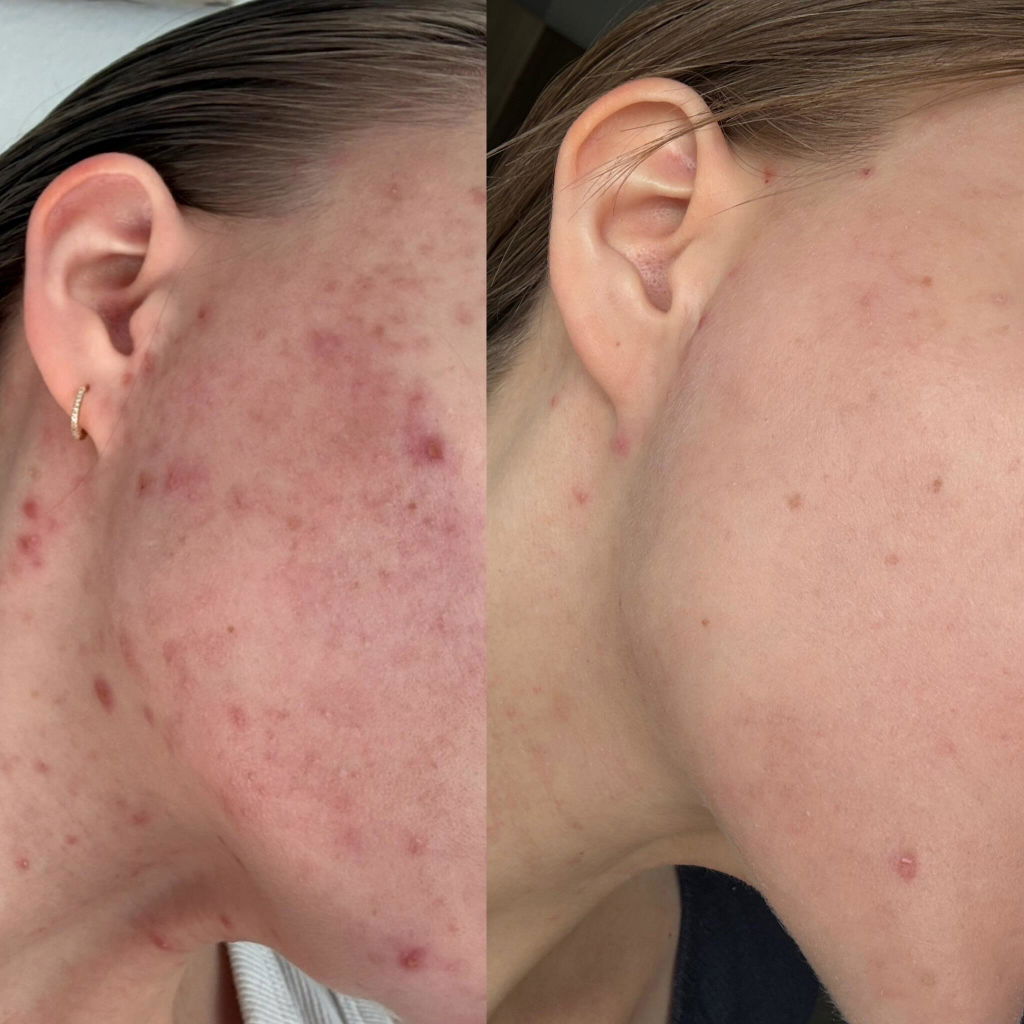
I have struggled with my skin my whole adult life (i'm 27) and seen at least 6 derms. Even Accutane didn't work for me. I am using the core regime + Cetaphil Sheer Mineral Face Sunscreen Moisturizer Drops (fungal safe sunscreen), good quality multivitamin, and not touching my face. About 4 months are between these pictures, and the after picture is even taken during a "breakout". My skin cleared up 80% within 2 weeks of using it, and is still improving everyday. Truly fantastic product
I am thrilled with your products! I am using the moisturizer and azelaic acid cream. I do not have acne but sudden yeast overgrowth on my face due to taking an immunosuppressant for lupus. These products are so good and there was a noticeable difference within a couple days - smoother skin. I’ve ordered another set to gift.
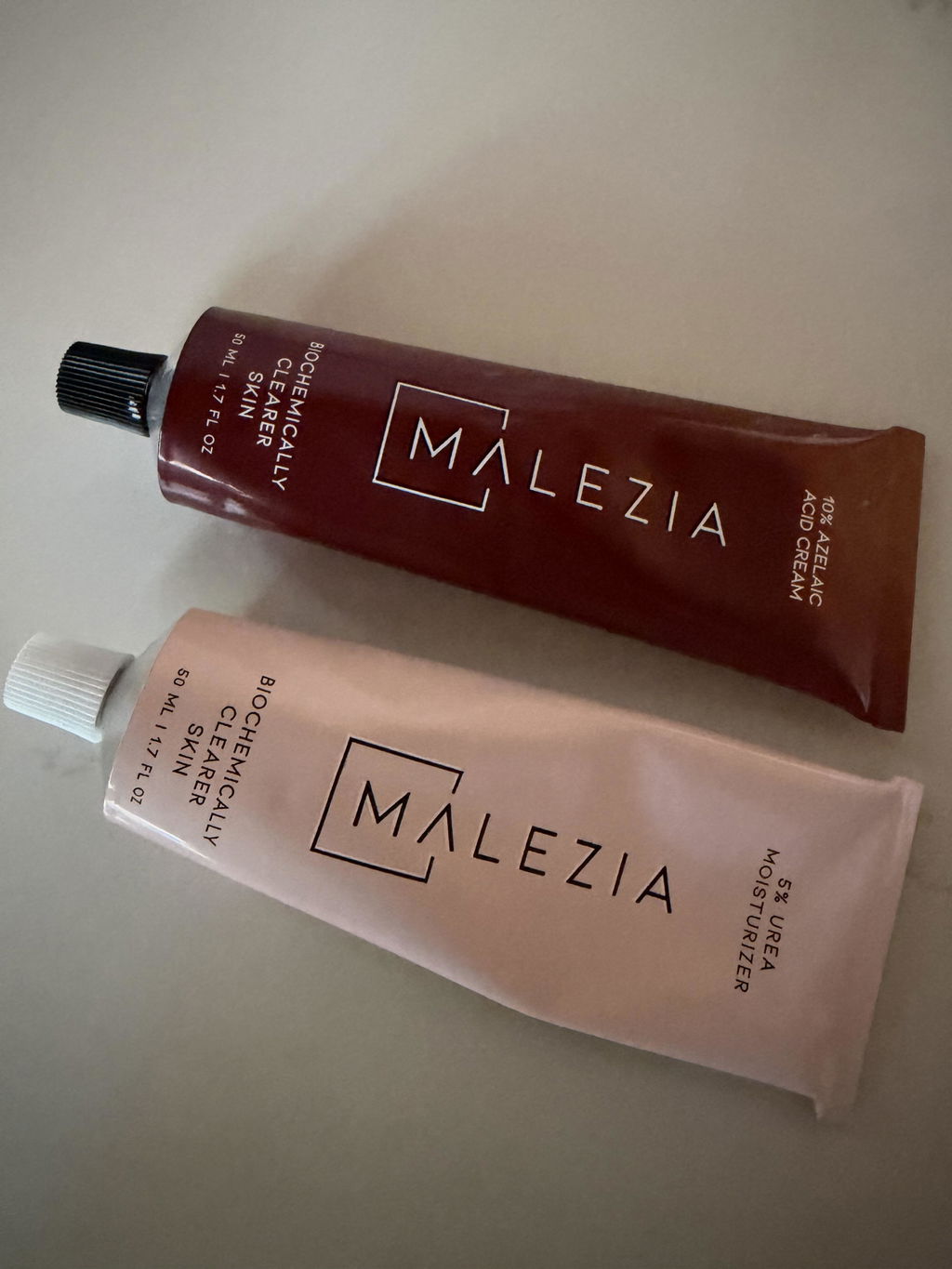
I love these non Malassezia feeding products. I’ve been following the blog for YEARS. So grateful for these products.
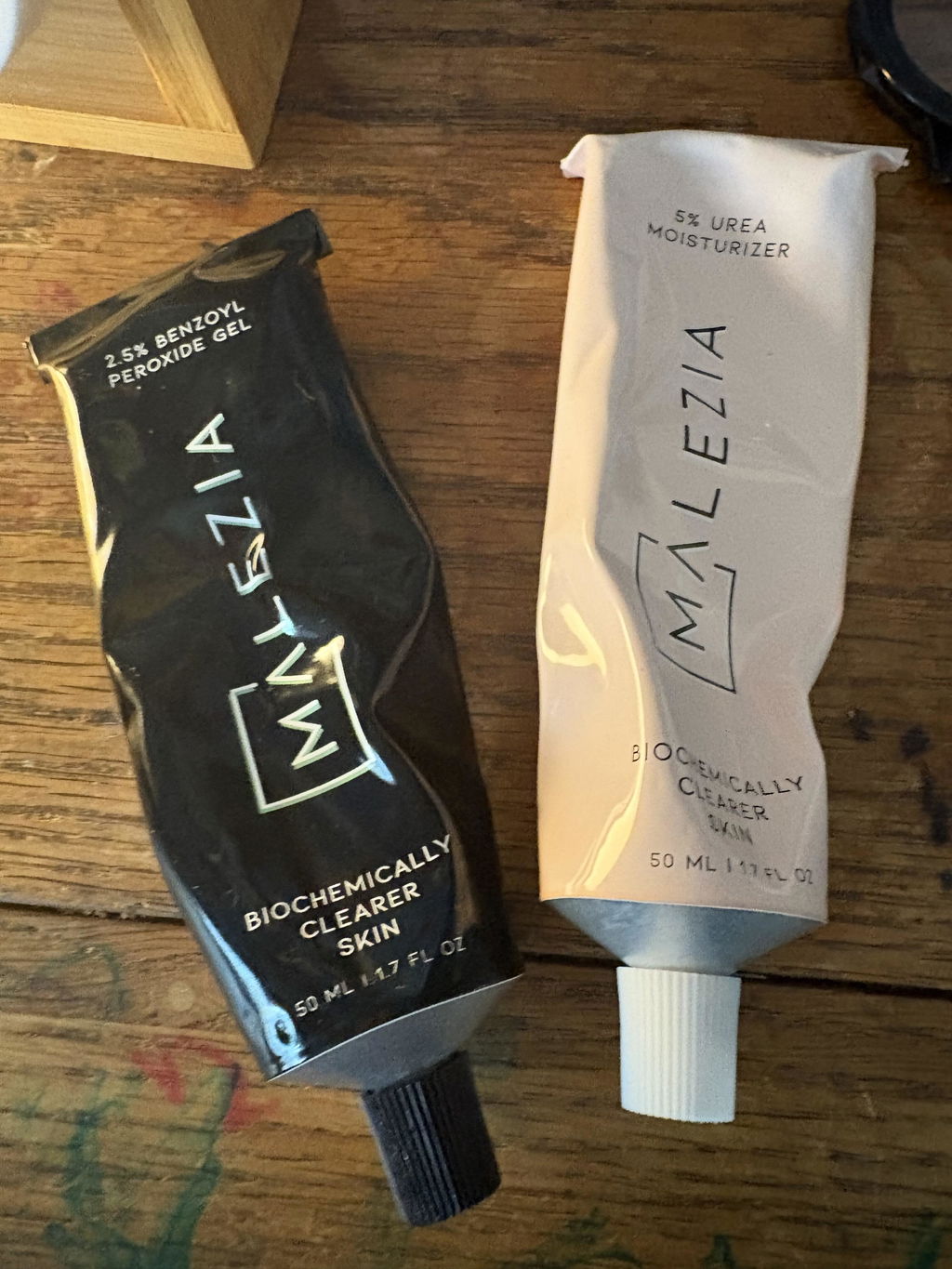
Amazing product! Last a long time. Is great at reducing the size of a pimple. I also think it helps with scarring